
A few weeks ago, I was troubleshooting an issue with an online order. I opened the chat widget expecting the usual: "Please select from the following options." Instead, the bot asked what was wrong in plain language. I typed a messy sentence about a missing item and a wrong size. It parsed both issues, pulled up my order, and routed each problem to the right resolution flow. No menu trees. No "I'm sorry, I didn't understand that."
It wasn't magic. But it was noticeably better than anything I'd experienced a year ago. And it got me thinking about something I've been watching all year: NLP and personalization are converging, and most product teams haven't noticed.
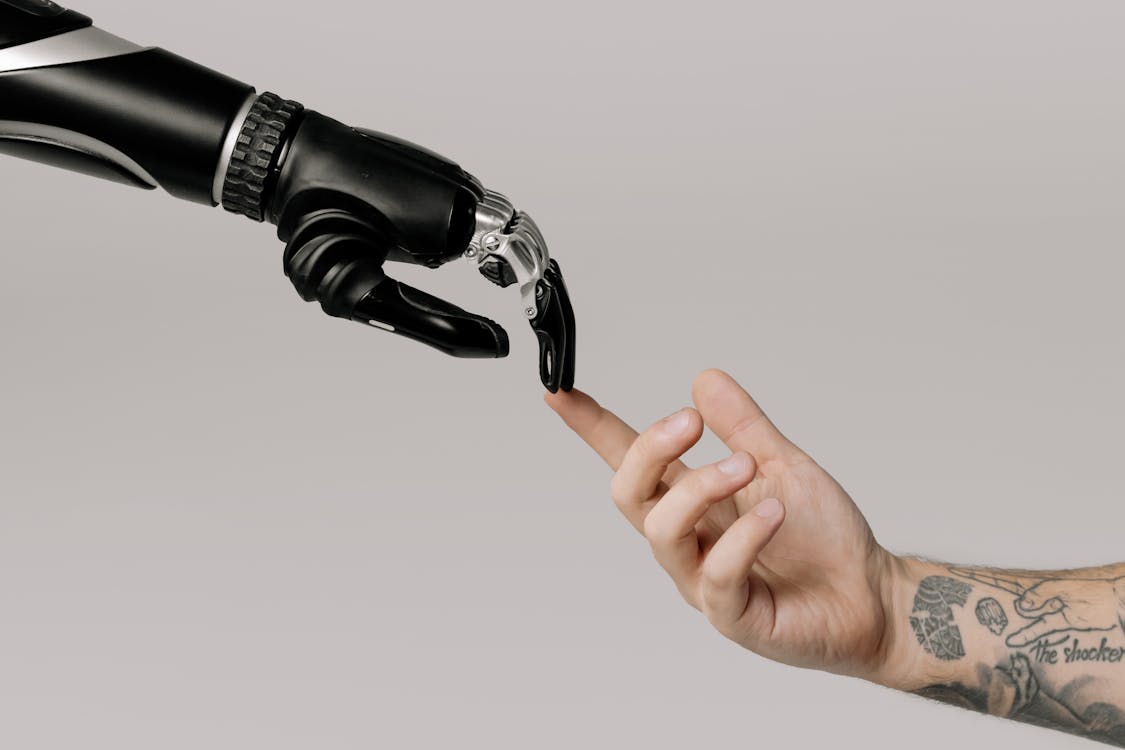
Two tracks, running parallel
For most of the last decade, natural language processing and personalization have evolved on separate tracks. NLP focused on understanding language: parsing intent, extracting entities, generating text. Personalization focused on targeting content: recommendation engines, dynamic pricing, segmented email campaigns. Different teams, different tools, different roadmaps.
But in 2019, the walls between them are thinning. The same transformer-based models that power BERT and GPT-2 can process both the meaning of what a user says and the context of who they are. Transfer learning has made it possible to build on top of these models without starting from scratch. And the smart speaker explosion, a projected 208 million units globally, up 82% this year, means more people are interacting with products through language than ever before.
Language is becoming the interface. And the interface is becoming personal.
Where this is already happening
The examples are piling up, even if they don't always make headlines.
Customer service bots that remember your last three interactions and skip the "can you verify your account" ritual. Voice assistants that learn your preferences over time: my colleague swears her Alexa has figured out that when she says "play something relaxing" after 9 PM, she means ambient piano, not the relaxation playlist with ocean sounds she hates. Recommendation engines that incorporate not just what you clicked, but what you searched for in natural language, catching intent that click data alone would miss.
The Evergage/Researchscape survey this year found that 40% of marketers now use machine learning for personalization. Pair that with the NLP breakthroughs that have made language understanding dramatically more accessible, and you start to see the shape of what's coming: personalization that doesn't just know what you want, but understands how you ask for it.
The organizational blind spot
Here's the problem. At most companies, NLP and personalization still live in different parts of the org chart. The conversational AI team reports to engineering or a dedicated AI group. The personalization team sits in marketing or growth. They use different data pipelines, different vendor stacks, and different success metrics.
A product director I grabbed coffee with last month put it bluntly: "We have a chatbot team and a personalization team and they've never been in the same meeting." She was exaggerating, but only slightly. Her company is spending real money on both capabilities, but the chatbot doesn't know what the recommendation engine knows, and vice versa.
The opportunity isn't in building better chatbots or better recommendation engines in isolation. It's in connecting them. A chatbot that understands your language and your history. A voice assistant that processes your request and your context. A search experience that grasps what you mean and what you've cared about before.
The convergence is the product
Product teams that treat NLP and personalization as separate line items on the roadmap are optimizing two halves of the same experience. The next generation of great product experiences won't just know what you want. They'll understand how you ask for it, and that combination is where the real value lives.
The convergence is quiet for now. It won't be for long.